

Transit Memory
Ana Mosquera, Diana Larrea, Sepideh Kalani, Zonia Zena
January 10–February 22, 2026
Co-curated with Baker—Hall, in partnership with Oolite Arts
When Amanda Baker—Hall invited me to co-curate this collaborative exhibition, I couldn’t have imagined the whirlwind of joy, trust, and learning on-the-fly this exhibition would bring me. I’ve previously written about the ways in which curating exhibitions often fulfills some lesson waiting in the wings for me, and how each production evokes something with me that needs shaping or flourishing.
It was no different in this instance, and I’m more than grateful for the artists’ openness and willingness to trust in me as I did my best to find the through-lines in their individual stories. While we each share migration trauma, further contextualized by the life-battering intersections of our pasts and identities, we were all called to art by something beyond us. It was learning how to honor myself and them that made this all the more special.
I wasn’t able to make the opening due to personal health issues, but I was able to create relationships where I can continue to absorb, learn, and grow in the wake of these powerful and magnetic women.
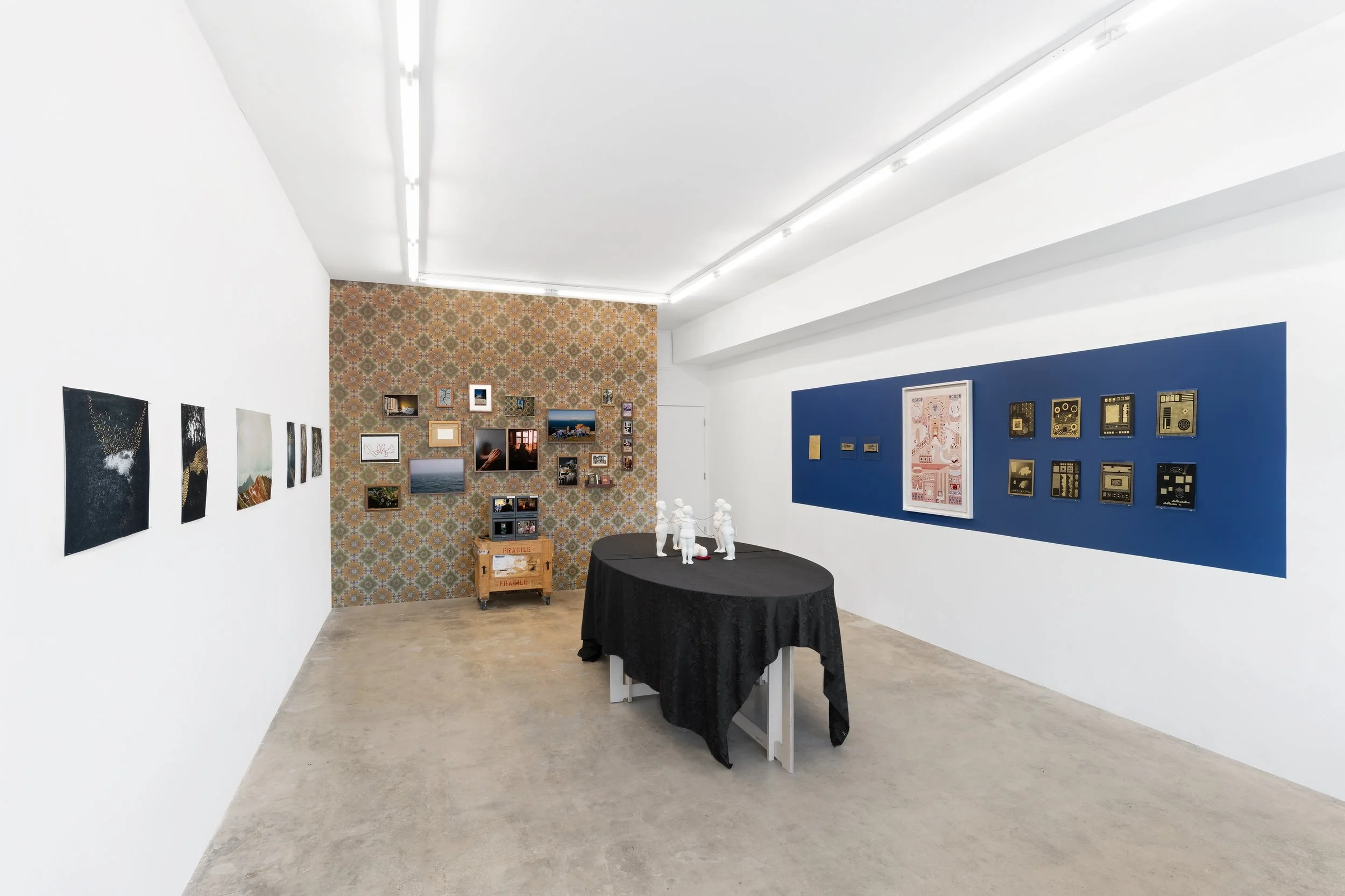
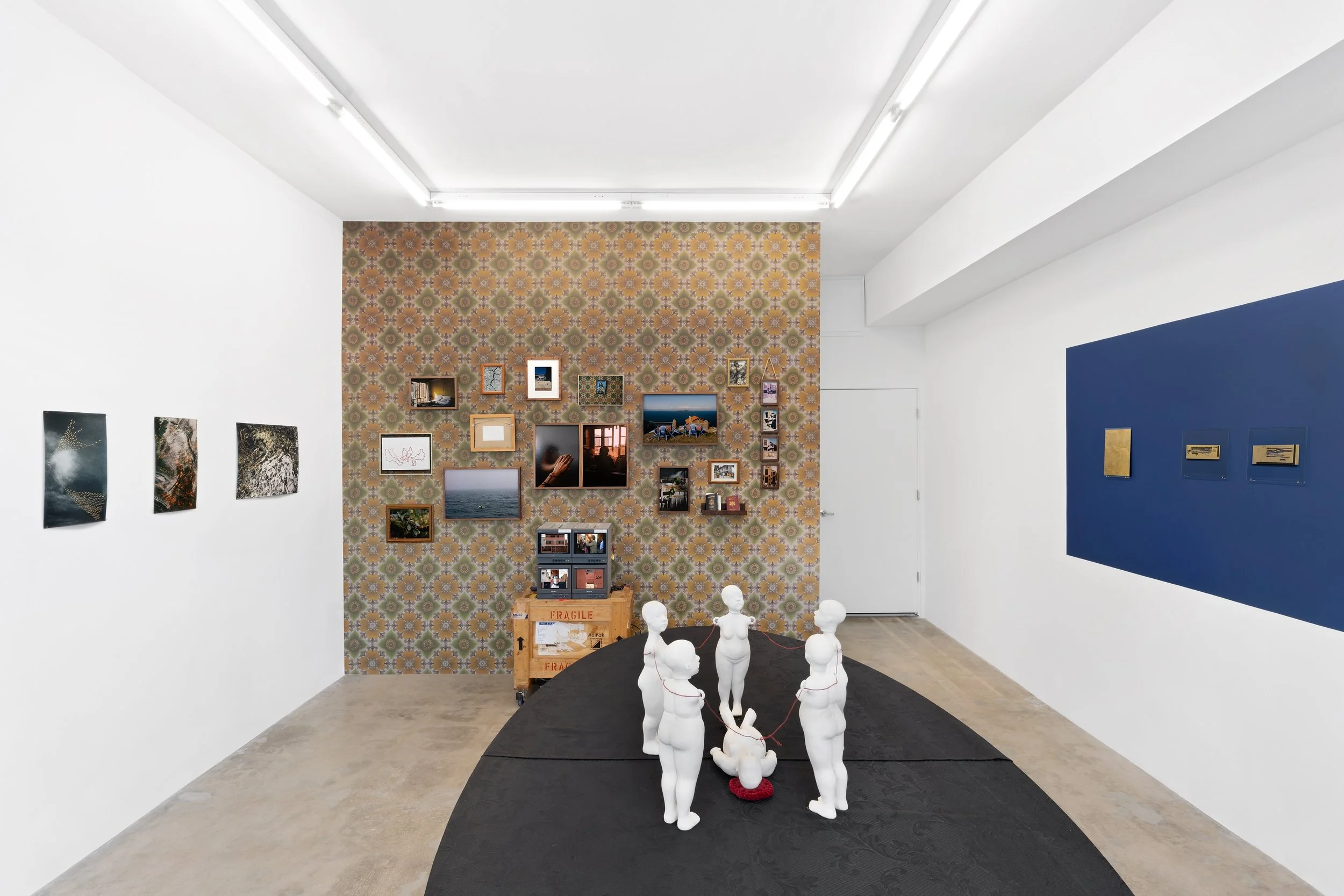
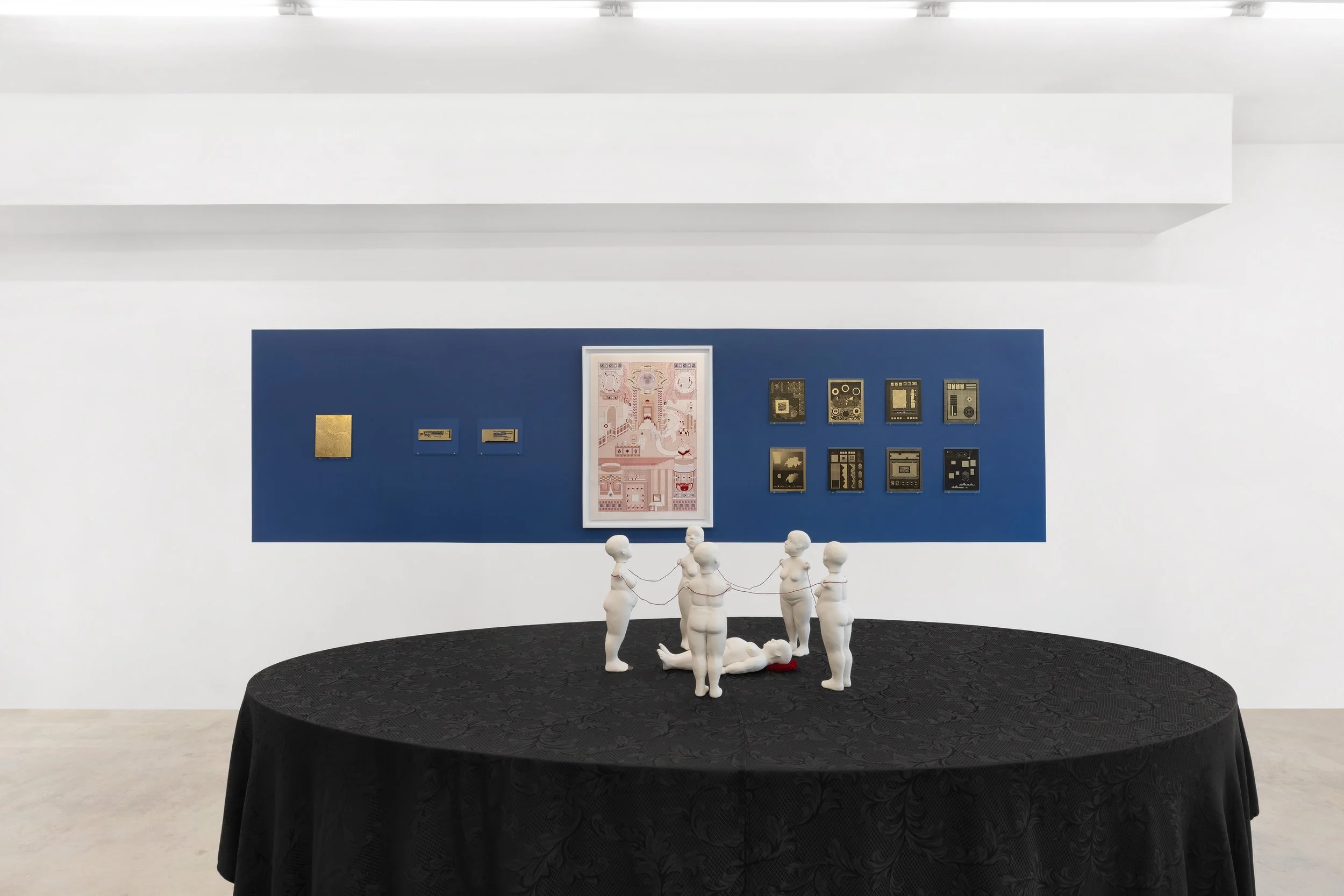
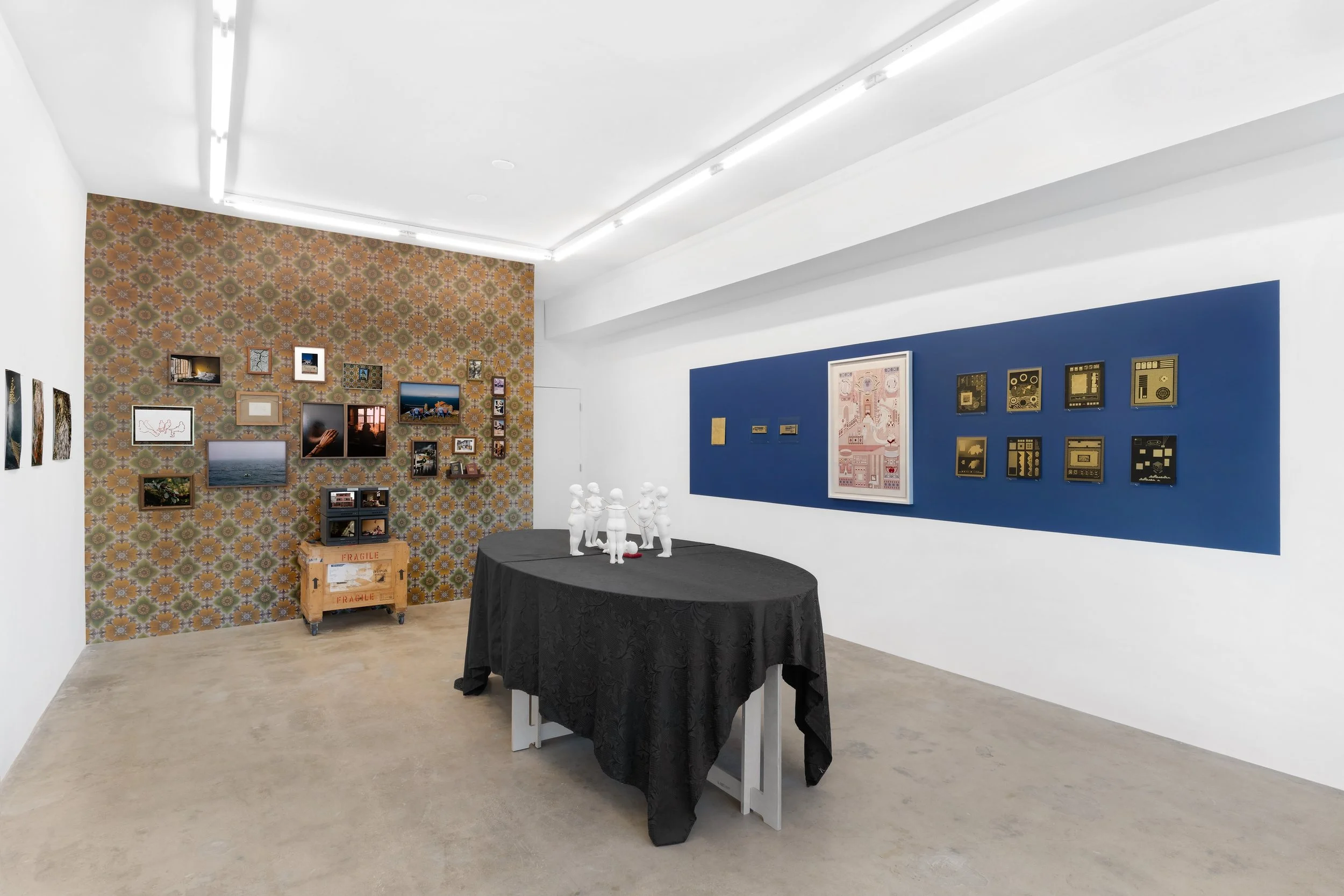
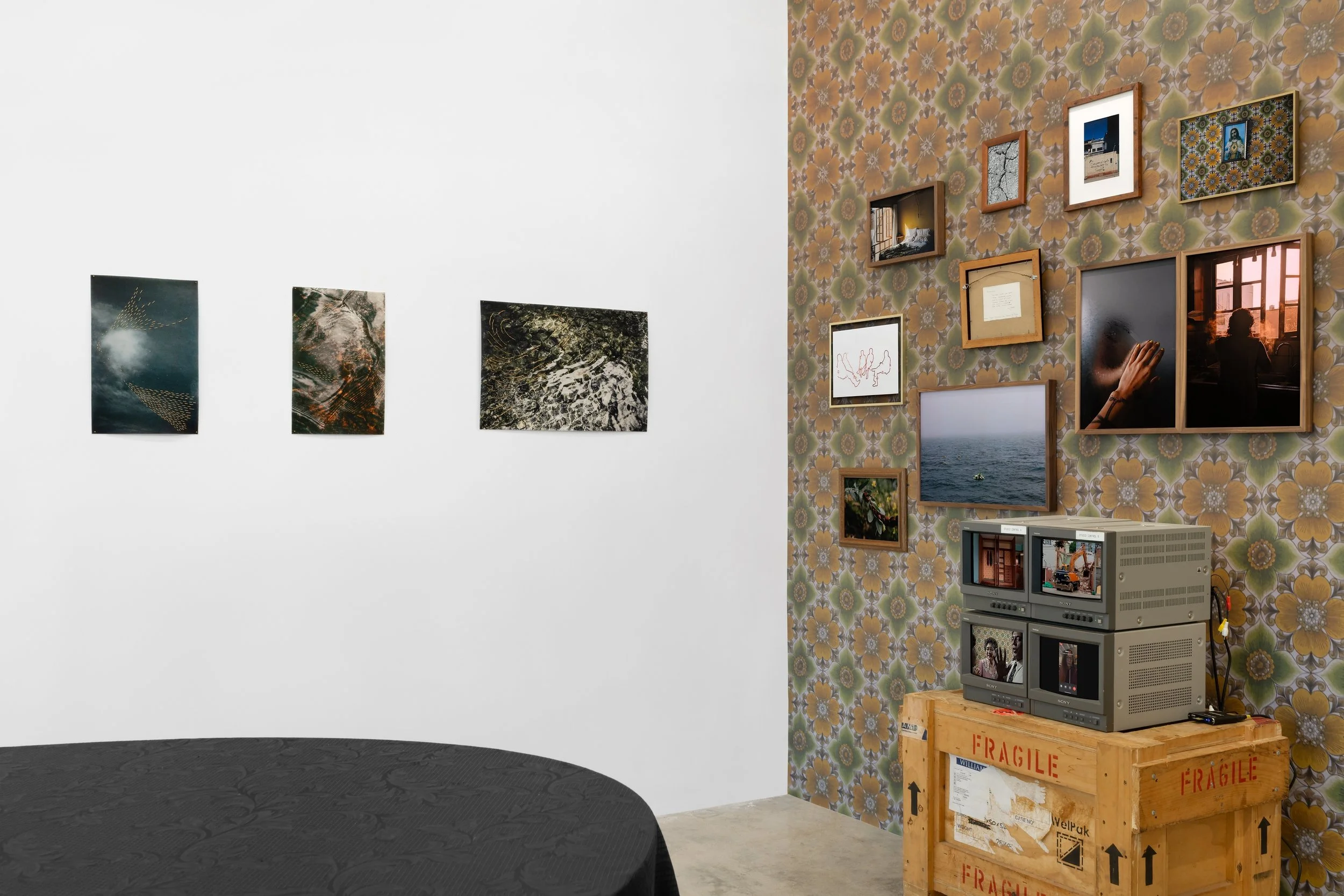
Baker—Hall is pleased to partner with Oolite Arts on an exhibition entitled Transit Memory, featuring a selection of artists from Oolite Arts’ 2025 In-Studio and Live.In.Arts Residencies. Co-curated by Baker—Hall & Gabi Di Giammarco, Transit Memory brings together four artists—Sepideh Kalani, Diana Larrea, Ana Mosquera, and Zonia Zena—and is on view January 10–February 22, 2026.
Transit Memory untangles self-construction and realization across time and space. Each artist confronts their life experiences through material investigations of bureaucracy and authority, migration and loss, censorship, and cultural heritage. Contextualized within photography, technical drawing, embroidery, and porcelain sculpture, the exhibition presents memory as a verb, the idea of transit as material, and an understanding of personhood as a vehicle. Together, the works reimagine how belonging, imagination, and autonomy—mutated by forces beyond one’s control—persist under conditions of ambiguity, moving beyond linear narratives of patience and triumphant adaptation. The artists’ archives and bodies of work, tracing memory, identity, and social conditions, reveal the tension between lived day-to-day existence and the inherited institutional, cultural, and political systems that govern it.
The channels through which people build their sense of self in the 2020s include digital social platforms, niche aesthetics, and academic jargon made public vernacular. Entwined with the inherited practices and values of one’s home culture, this lifelong process exists in a state of continuous disruption. While a macro, globalized blueprint for postmodern existence yields a seemingly-aligned collective sense of belonging, it overlooks the personal responsibility of one’s selfhood in the face of external pressures.
This constant negotiation of self—shaped by digital, cultural, and familial forces—mirrors the experiences of those navigating life across borders. In Transit Memory, this tension is nestled in the immigrant experience. Life in diaspora is constituted by a balancing act of self-surveillance, tenacity, and flexibility, often dictated by governing frameworks. Anchored in Miami, a city at a naturally occurring intersection of the American South and the Caribbean, the thread of displacement is at the core of the exhibition. With oceans and tectonic plates separating the artists’ home cities from the cultures they inhabit, the parallels between structural, authoritative systems and an artist’s devotion to practice come alive like muscle memory. Notions such as permission, paying dues, and earned recognition confront every working artist, immigrant or otherwise.
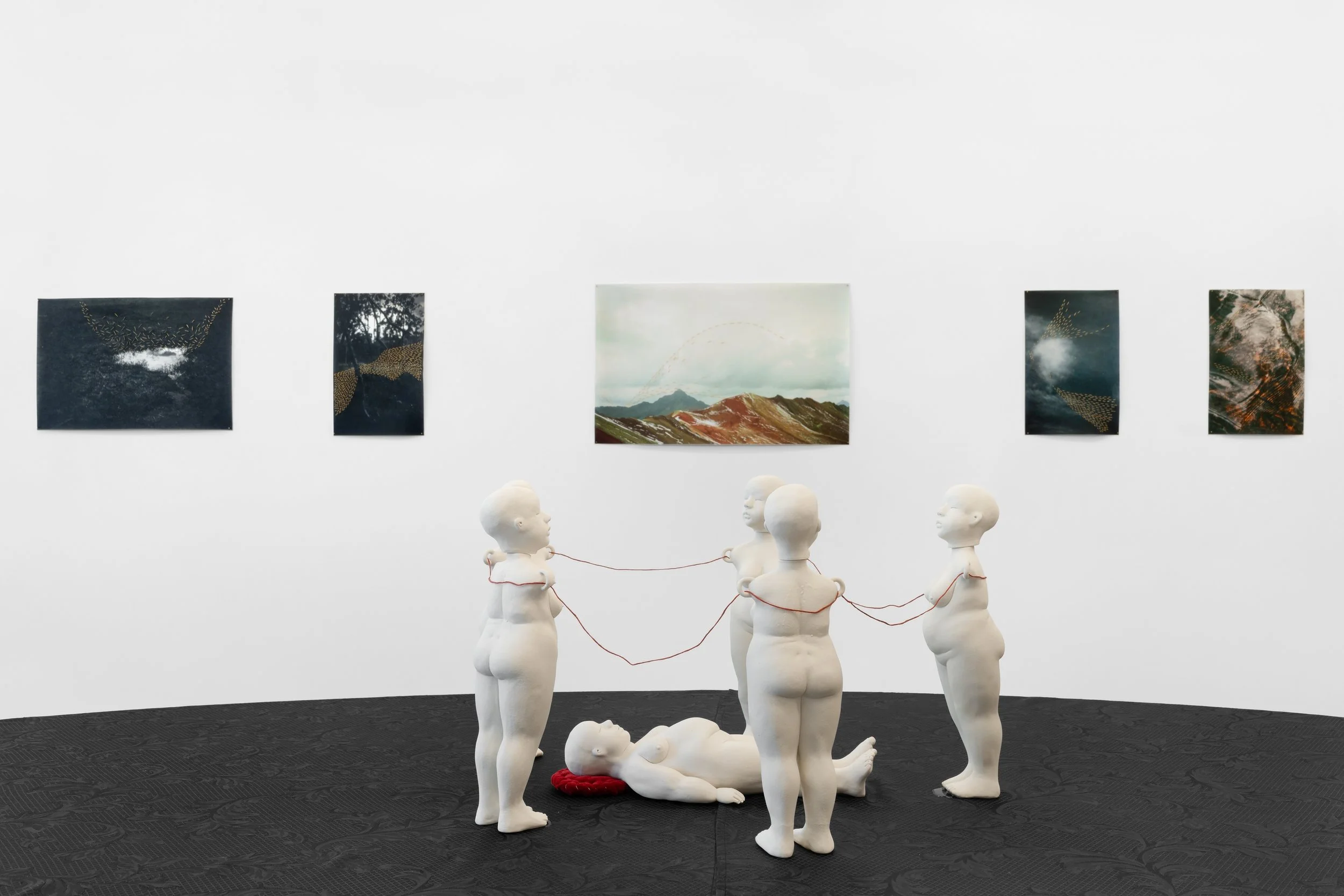
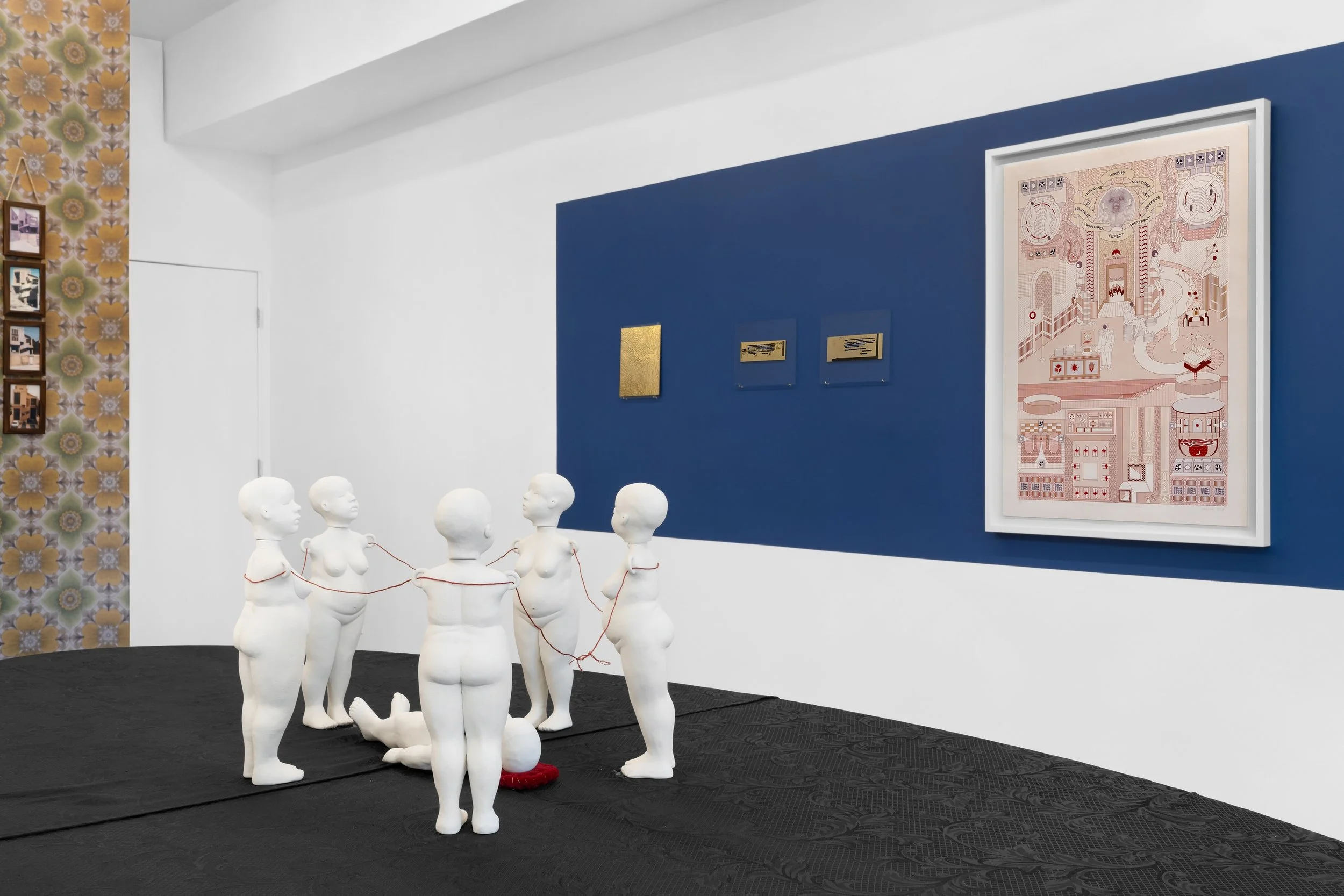
Persian multimedia artist Sepideh Kalani’s body of work materializes selfhood in three dimensions, reflecting the hybridity of her experience across painting, self-taught ceramics, and studies in neuroscience. Kalani’s mastery of traditional Persian techniques and methodologies afford her an expansive expressive capacity, rooted in past experiences with censorship. Nakh (نخ( delves into existentialist meditations on self-conceptualization, challenging assumptions of the human body as purely objective or singular. Kalani reinterprets ideas of individual safety, peace, and purpose, negotiated through a figure’s position within their social network. Rather than commenting on absorbing external perceptions or allowing others to define the self, her work evokes Sufi poet Rumi’s notion that “what you seek is what you are,” suggesting that the worlds we inhabit are reflexive.
Venezuelan mixed-media artist Ana Mosquera links identity to agency in structured environments, particularly where social frameworks defer a person’s recognition of belonging. She confronts the vulnerability of proving existence and interrogates processes of erasure and redaction, articulating threshold states in their simplest, though painful, form; the loss of family birth certificates, pauses in status modification, and constrained agency left her awaiting validation through external channels. Using technical drawing on scratch-off paper, Mosquera’s work with mapping systems, appropriated security patterns, and questions of legitimacy within bureaucratic contexts exemplifies this focus. In A World Undone, Not by Fire but Paper, she interprets administrative apparatuses, specifically security checkpoints and waiting rooms, as potential sites of catastrophe. These liminal zones evoke sterility and obedience, a suspension of life in motion. Here, mundanity itself becomes the agent of transformation. Federal infrastructure demands ritualized discipline, standardization, compliance, and repetition until one is acknowledged as worthy of legitimacy. This alchemizing of phantom senses of self is key to understanding Mosquera’s approach to self-making, and highlights liminality as a by-product rather than a righteous catalyst.
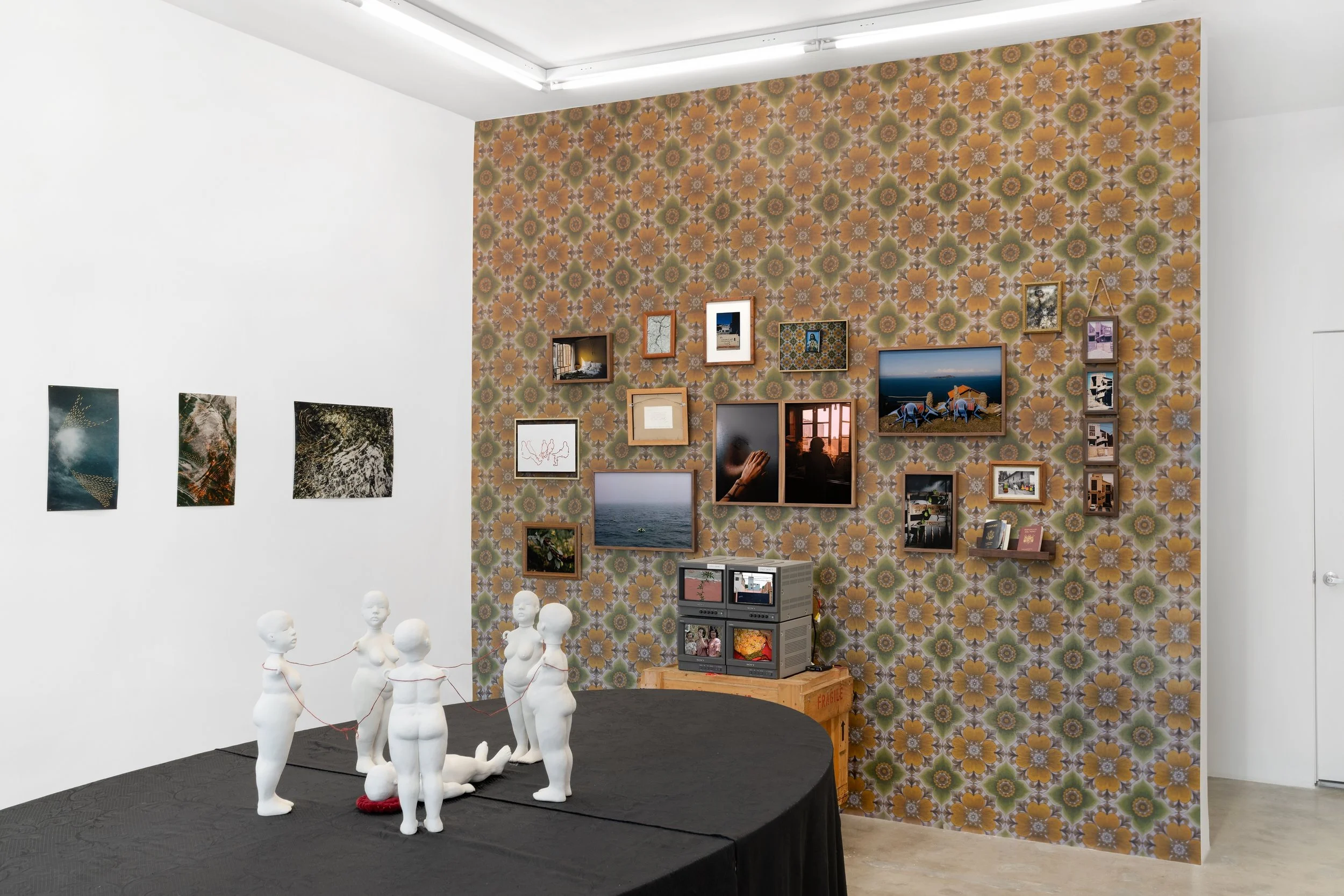
Peruvian-born visual artist and archivist Zonia Zena connects ancestral frameworks for biography and the natural world through an immersive “return to self,” emphasizing currents of cultural memory by deliberately omitting the built environment. In works from the series Embodied Landscapes and Everything Vibrates, Everything Pulses…, her examinations of human beings as part of nature rather than apart from it are thoughtful, mediated through solemn and sensorial visuals of tangled roots, gentle ripples in water, and technicolor Peruvian mountain ranges. Zena positions them as generative entities instead of static examples of ecological beauty. The alienation of nature in contemporary culture has recast it as all but obsolete in the context of post-industrial “progress.” While her photographs stand as proof of existence in and of in themselves, she traces the aura of each site with gold thread. Using embroidery as a tactile reevaluation of stewardship in the face of urban sprawl and resource extraction, Zena’s practice integrates autonomy and outward communion. Human quirks and passions, the biological need for stability, and creativity as a response to higher calling emerge from the same forces of formation, resilience, and transformation that govern the natural world and the body alike.
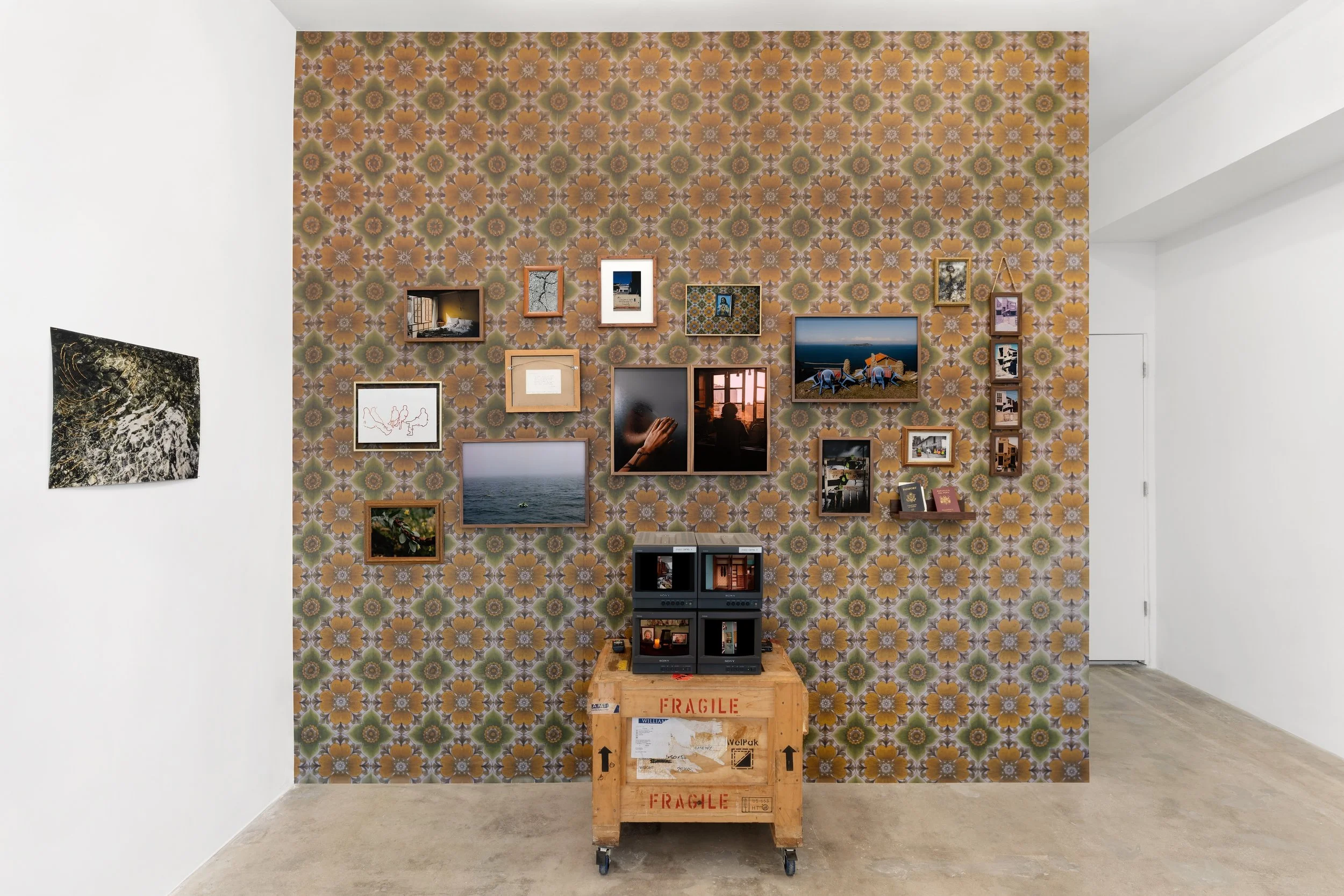
Peruvian photographer, visual artist, and documentarian Diana Larrea applies her understanding of cultural preservation and the notion of “homecoming” to the loss of her grandmother’s house after leaving South America. Larrea’s exploration of diasporic spatial navigation in the series I Left Too Soon emphasizes transitional states, with process-memory functioning as a time capsule for the ephemeral yet persistent experiences a person carries with them across time and place. She examines the structural impacts on memory and identity framed by multi-generational cohabitation, a practice often encountered outside North American contexts. Each image reflects her experiences within her family home, preserved within intergenerational memory that she has both inhabited and, at times, run from. A reproduction of the wallpaper in Larrea’s family home grounds an interrogation of how personal histories and legacy inform selfhood; family archives, photography, and film connect unearthed and acknowledged parts of the artist’s identity. Themes of discovery, memory, and healing compete with an overarching sense of absence—images of braided hair intertwined with branches, a note on the back-side of a frame, embroidered silhouettes of her grandparents for a perfectly incomplete portrait of what remains untouched. Poignant scenes of uninhabited domestic spaces, shared and intimate, reveal the sovereign power of decision-making, and the domino effect of circumstances beyond one’s reach.
Curatorial essay by Gabi Di Giammarco